A Map to Modular Lounge Planning for Comfort, Style & Flexibility
Designing a living room that feels comfortable, stylish, and functional often begins with choosing the right seating arrangement. As modern homes continue to embrace flexible layouts and multifunctional spaces, modular lounges have become a popular choice in Perth contemporary interiors.
Unlike traditional sofas with fixed layouts, modular lounges allow seating sections to be rearranged to suit different room sizes, lifestyles, and entertaining needs. Whether furnishing a spacious open-plan living area or a compact apartment, modular lounges make it easier to create a layout that evolves alongside changing household routines.
Why Modular Lounges Continue to Grow in Popularity
Modular lounges are designed with separate sections that can be configured in multiple ways. This flexibility allows homeowners to adapt seating arrangements depending on how the space is used throughout the day.
Modular lounges are especially well-suited to a variety of living environments, including:
- Open-plan living areas that require flexible layouts and clearly defined seating zones
- Growing family homes where seating needs may change over time
- Apartment living spaces that benefit from adaptable and space-conscious furniture
- Media and entertainment rooms designed for comfort-focused relaxation
- Homes that regularly host guests and need generous and versatile seating arrangements
This level of adaptability makes modular lounges ideal for households seeking furniture that combines long-term practicality with modern design appeal.
How to Plan the Perfect Modular Lounge for Everyday Living
Start with the Room Layout
Planning a modular lounge begins with understanding the dimensions and flow of the room. A well-balanced layout ensures the space feels comfortable without appearing overcrowded or disconnected.
Before selecting a modular configuration, it helps to assess several important areas within the room, such as:
- Wall lengths and available floor space to ensure the lounge fits proportionately within the area
- Doorways and walkways that should remain clear for easy movement throughout the home
- Window placement and natural lighting may influence furniture positioning
- Entertainment units or focal points that help determine the ideal orientation for seating
- Existing furniture pieces and decor elements that should work cohesively with the overall layout
Careful planning helps maintain visual balance while improving the functionality of the living area.
Choosing the Right Modular Configuration
Different modular layouts suit different lifestyles and room sizes. Selecting the right configuration depends on how the room will be used daily.
L-Shaped Modular Lounges
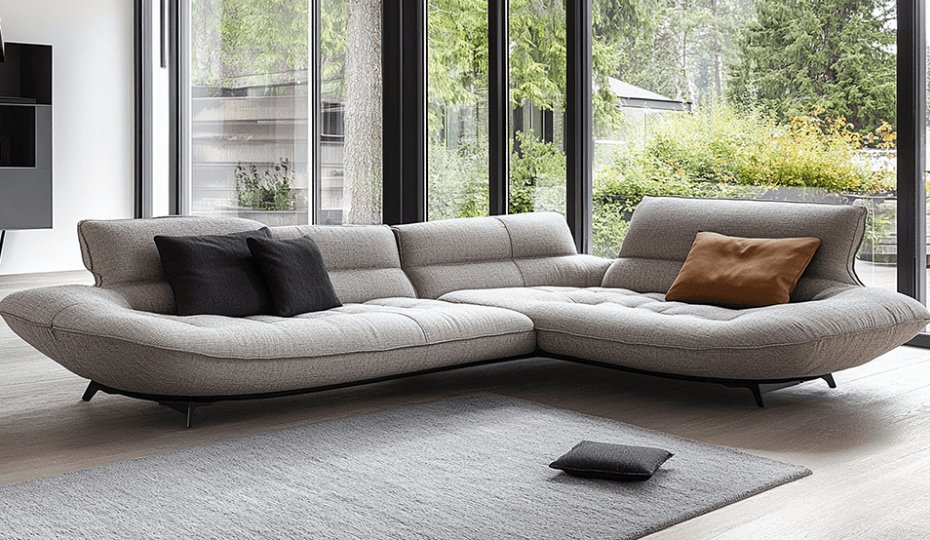
L-shaped modular lounges remain one of the most popular options for modern homes. They maximise seating while maintaining an open and inviting layout, making them ideal for family living rooms and open-plan spaces.
U-Shaped Modular Lounges
U-shaped modular lounges offer generous seating capacity and help create a central gathering space for entertaining. These larger configurations work particularly well in spacious living areas.
Chaise Modular Designs
Chaise-style modular lounges provide additional comfort without taking up excessive floor space. They are a practical option for smaller homes or apartments seeking relaxed seating with a streamlined appearance.
Expandable Modular Systems
Some modular lounges allow additional sections to be added over time. This flexibility can be especially useful for growing families or homeowners planning future layout changes.
Prioritising Comfort Alongside Style
While aesthetics are important, comfort should remain a key consideration when selecting a modular lounge. The most successful lounge spaces combine supportive seating with durable materials and timeless design.
When choosing a modular lounge, paying attention to comfort-focused details can make a noticeable difference in everyday use, including:
- Cushion firmness that suits personal comfort preferences and lounging habits
- Seat depth that supports both relaxed seating and practical everyday comfort
- Back support designed to encourage better posture and long-lasting relaxation
- Durable upholstery fabrics that balance style, texture, and easy maintenance
- Strong frame construction that ensures long-term durability and structural stability
Deep seating and softer cushions often create a casual and relaxed atmosphere, while firmer seating delivers a more structured and formal look.
Coordinating with Other Living Room Furniture
A modular lounge should work harmoniously with surrounding furniture to create a cohesive and inviting living area.
One of the most important pieces to consider is the coffee table that homeowners often use as both a practical surface and a visual focal point. The shape, size, and finish of the coffee table should complement the modular layout while maintaining enough space for comfortable movement.
For example:
- Round coffee tables can soften angular modular configurations
- Rectangular tables pair naturally with longer lounge designs
- Timber finishes introduce warmth and texture into contemporary interiors
- Glass surfaces can help smaller rooms feel lighter and more open
Additional furniture, such as entertainment units, side tables, rugs, and lighting, should also align with the overall style direction of the room.
Selecting Colours and Materials
Colour selection plays an important role in creating the overall mood and longevity of the living space. Neutral tones continue to remain popular because they provide versatility and timeless appeal.
Popular colour choices for modular lounges include:
- Beige tones that create a warm and timeless foundation for relaxed living spaces
- Soft grey shades that complement both contemporary and classic interiors
- Charcoal finishes that add depth and a sophisticated modern edge
- Soft white upholstery that helps brighten open-plan rooms and create an airy atmosphere
- Earthy taupe tones that introduce warmth while remaining versatile and easy to style
Textured fabrics such as boucle, woven upholstery, and linen blends are also increasingly popular for adding softness and visual depth to living rooms.
Creating a Flexible Living Space
One of the greatest advantages of modular lounges is their ability to adapt over time. Rearranging seating sections allows homeowners to refresh the space without replacing major furniture pieces.
Flexible modular layouts can help:
- Create separate zones within open-plan homes
- Improve seating arrangements for entertaining
- Adapt to changing household sizes and routines
- Maximise comfort for everyday relaxation and movie nights
This flexibility makes modular lounges a practical investment for homes that prioritise both comfort and functionality.
See also: How Smart Businesses Grow Through Licensing Strategies
Conclusion
A well-planned modular lounge brings together comfort, flexibility, and style in a way that adapts effortlessly to modern living. By carefully considering room layout, configuration, comfort features, colour choices, and surrounding furniture, it becomes easier to create a living space that feels balanced and functional.
Whether enhancing a compact apartment or styling a spacious family area, modular seating offers the freedom to evolve the layout as needs change over time
Frequently Asked Questions
What are the benefits of modular lounges?
Modular lounges offer flexible seating arrangements, customisable layouts, and adaptable designs that suit a wide range of living spaces and lifestyles.
Are modular lounges suitable for small living rooms?
Yes. Many modular lounges are designed specifically for compact spaces and can maximise seating without making the room feel overcrowded.
How do modular lounges differ from traditional sofas?
Traditional sofas usually have fixed layouts, while modular lounges consist of movable sections that can be rearranged into different configurations.
What size coffee table works best with a modular lounge?
The ideal coffee table depends on the size and shape of the modular lounge. A table should complement the seating arrangement while allowing enough room for comfortable movement.
Which colours are best for modular lounges?
Neutral shades such as beige, grey, charcoal, soft white, and taupe remain popular because they are versatile, timeless, and easy to style with changing décor trends.
Are modular lounges good for open-plan homes?
Yes. Modular lounges help define living zones within open-plan layouts while maintaining flexibility and flow throughout the space.