How Mechanical Services Drive Efficiency in High-Performance Buildings
In modern construction, the demand for energy-efficient, high-performance buildings continues to rise. Owners and developers are increasingly focusing on systems that enhance sustainability, comfort, and operational cost savings. Among these systems, mechanical services in Oklahoma play a pivotal role in ensuring that facilities operate at peak performance. These services encompass HVAC, plumbing, and energy management solutions that form the backbone of efficient, climate-controlled environments.
The Role of Mechanical Systems in Building Efficiency
Mechanical systems regulate temperature, ventilation, and water circulation, three fundamental elements that determine comfort and productivity in any facility. When designed and maintained correctly, they not only support occupant well-being but also drive measurable energy savings. Advanced mechanical systems integrate automation and smart sensors, optimizing performance based on occupancy and environmental conditions.
A building’s efficiency often depends on how seamlessly these systems work together. Inadequate ventilation or poor temperature control can lead to wasted energy and fluctuating operational costs. This is why professional maintenance and performance tuning are essential for long-term efficiency in high-performance structures.
See also: Top 10 Easy Home Improvement Projects for Beginners
The Impact of Energy Management and System Integration
High-performance buildings rely on precise energy management strategies to minimize waste and meet sustainability goals. Mechanical engineers and service providers implement control systems that automate heating, cooling, and ventilation cycles to match real-time usage. These systems can identify inefficiencies such as over-cooling or poor airflow distribution and automatically adjust performance to restore balance.
When combined with renewable energy sources and advanced insulation techniques, modern mechanical systems reduce overall carbon footprints. This synergy between technology and engineering enhances both environmental responsibility and long-term operational savings.
The Importance of Regular Maintenance and Inspections
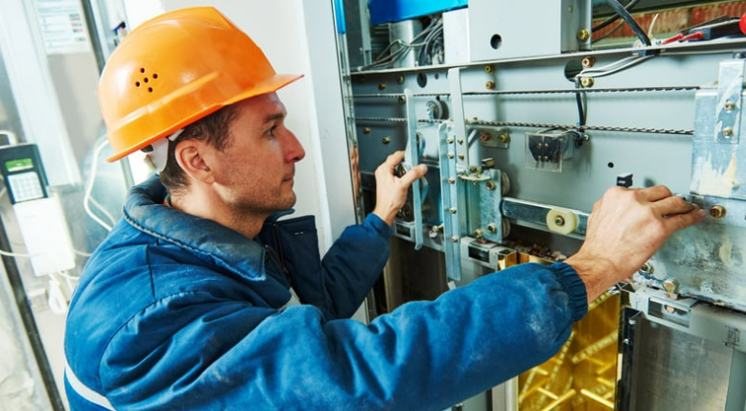
Even the most advanced systems lose efficiency without regular inspections. Routine evaluation ensures all mechanical components, ducts, pumps, valves, and thermostats function at their intended capacity. Neglecting these checks can lead to performance degradation, higher energy consumption, and costly emergency repairs.
Mechanical inspections are crucial for detecting leaks, airflow issues, or component wear before they escalate into system failures. Proactive maintenance also extends the lifespan of essential infrastructure, ensuring reliability and compliance with evolving building standards. Understanding the importance of regular inspections for mechanical equipment underscores how consistent oversight safeguards both performance and safety in complex building environments.
Enhancing Indoor Air Quality and Comfort
Mechanical systems also play a vital role in indoor environmental quality. Proper ventilation removes contaminants, balances humidity, and provides fresh air circulation, critical factors for occupant health and productivity. Advanced filtration and air-handling systems ensure pollutants and allergens are minimized, creating a cleaner and more comfortable atmosphere.
Moreover, integrating real-time monitoring allows building managers to track air quality metrics continuously. These insights lead to proactive maintenance scheduling and better control over climate variables, further enhancing the experience of occupants while supporting operational efficiency.
The Shift Toward Sustainable Mechanical Design
Sustainability has become a defining feature of high-performance architecture. Mechanical design now focuses on minimizing resource consumption without compromising comfort or performance. Energy-efficient chillers, variable-speed drives, and advanced heat recovery systems are increasingly being incorporated into modern buildings.
Retrofitting existing structures with these technologies provides immediate performance gains while aligning with environmental objectives. This evolution in mechanical services reflects a broader industry trend, combining engineering innovation with sustainability goals to deliver intelligent, adaptive buildings capable of meeting future demands.
Conclusion
Mechanical services are the cornerstone of modern building efficiency, directly influencing comfort, performance, and sustainability. Through integrated design, energy management, and regular maintenance, high-performance buildings achieve reduced energy consumption and enhanced occupant well-being. By prioritizing expert installation and continuous monitoring, facility managers can ensure their systems operate at peak capability, setting the foundation for long-term operational success.