Top Industries That Benefit Most from Scrap Metal Recycling Services
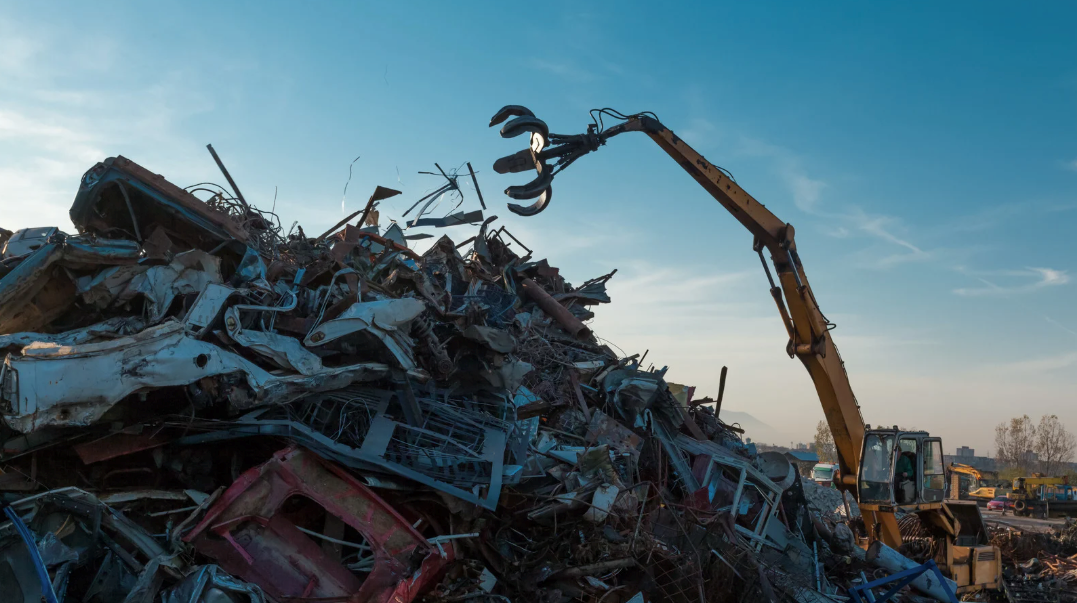
Scrap metal recycling is a vital process that supports sustainability, conserves resources, and reduces environmental impact. Many sectors rely on these services to manage waste efficiently while generating additional revenue from recyclable materials. Industries that handle significant amounts of metal can especially benefit from scrap metal recycling in Calhoun, where professional services streamline collection, processing, and resale of valuable metals. This practice not only improves operational efficiency but also promotes eco-friendly business operations.
Construction and Demolition
The construction and demolition industry generates large volumes of scrap metal from structural steel, copper wiring, plumbing fixtures, and aluminum siding. Recycling these materials reduces landfill waste and provides an economic return, as metals can be repurposed for new construction projects. By working with specialized recycling providers, companies ensure safe handling and compliance with environmental regulations.
Manufacturing and Industrial Operations
Manufacturing facilities produce metal scrap as a byproduct of production. From automotive plants to machinery manufacturers, scrap metal recycling helps these businesses maintain cleaner work environments while reclaiming valuable materials. This reduces raw material costs and supports a closed-loop production process where metals are continually reused.
Automotive Industry
The automotive industry benefits significantly from recycling services, as vehicles contain large amounts of steel, aluminum, and copper. End-of-life cars can be dismantled, and their metal parts recycled for use in new vehicles or other applications. Recycling also reduces the demand for mining, which lowers environmental damage and conserves natural resources.
Utilities and Energy Sector
Utility companies and the energy sector handle extensive amounts of copper wiring, steel infrastructure, and other metals during upgrades, repairs, and decommissioning projects. Recycling these metals not only offsets operational costs but also supports sustainable infrastructure development. Proper disposal methods ensure compliance with industry regulations while minimizing environmental risks.
Shipbuilding and Marine Industry
The marine industry, including shipbuilding and repair operations, produces substantial scrap metal from vessel dismantling, maintenance, and retrofitting. Recycling in this sector helps reduce storage space for unused materials and provides additional revenue streams from reclaimed metals, such as steel plates and aluminum components.
Residential and Community Services
Residential cleanouts, renovation projects, and community recycling initiatives also contribute to the supply of recyclable metals. Public awareness and participation in scrap metal recycling programs enhance resource conservation and reduce the environmental footprint of households and local businesses.
Importance of Proper Recycling Practices
To maximize efficiency and profitability, businesses must understand how to recycle scrap metal correctly. Sorting metals, removing contaminants, and working with reputable recycling companies ensures high-quality recovered materials. Proper recycling practices also help companies avoid unnecessary waste disposal costs.
Environmental Impact and Broader Benefits
Scrap metal recycling plays a critical role in reducing greenhouse gas emissions, conserving raw materials, and lowering energy consumption. According to industry insights, scrap metal recycling is critical for a cleaner environment because it reduces the need for mining and decreases the environmental strain associated with extracting and processing virgin metals.
Conclusion
From construction and manufacturing to automotive and utilities, many industries benefit greatly from professional scrap metal recycling services. These processes improve resource management, support environmental goals, and contribute to a more sustainable economy. Businesses that embrace recycling not only save costs but also enhance their reputation as responsible and eco-conscious operators.